
Going on Winter Vacation? Why Setting Your Thermostat to 50 Degrees Can Still Destroy Your Home

Sam Simon
January 7, 2026Many homeowners lower their thermostat when leaving town in winter, believing 50 or 55 degrees will prevent frozen pipes. In reality, thermostat settings often fail during sub-zero weather—especially in Chicagoland homes with exterior-wall plumbing or basements. This guide explains why frozen pipes happen, how burst pipes can disable furnaces and turn homes into frozen iceboxes, and the single step that prevents catastrophic water damage before it starts.
The Ultimate Guide to Preventing Frozen & Burst Pipes While You’re Away
Every winter, we get the same call — and it usually starts the same way.
A homeowner goes on vacation.
They turn the thermostat down to 50 or 55 degrees.
They assume that’s enough.
They come home to a flooded basement, soaked ceilings, ruined floors, and sometimes a furnace sitting in water.
And they’re genuinely confused — because they thought they did everything right.
This guide exists because this mistake is incredibly common, completely preventable, and wildly misunderstood. If you’re leaving your home during winter — especially in Chicagoland — this may be the most important thing you read all season.
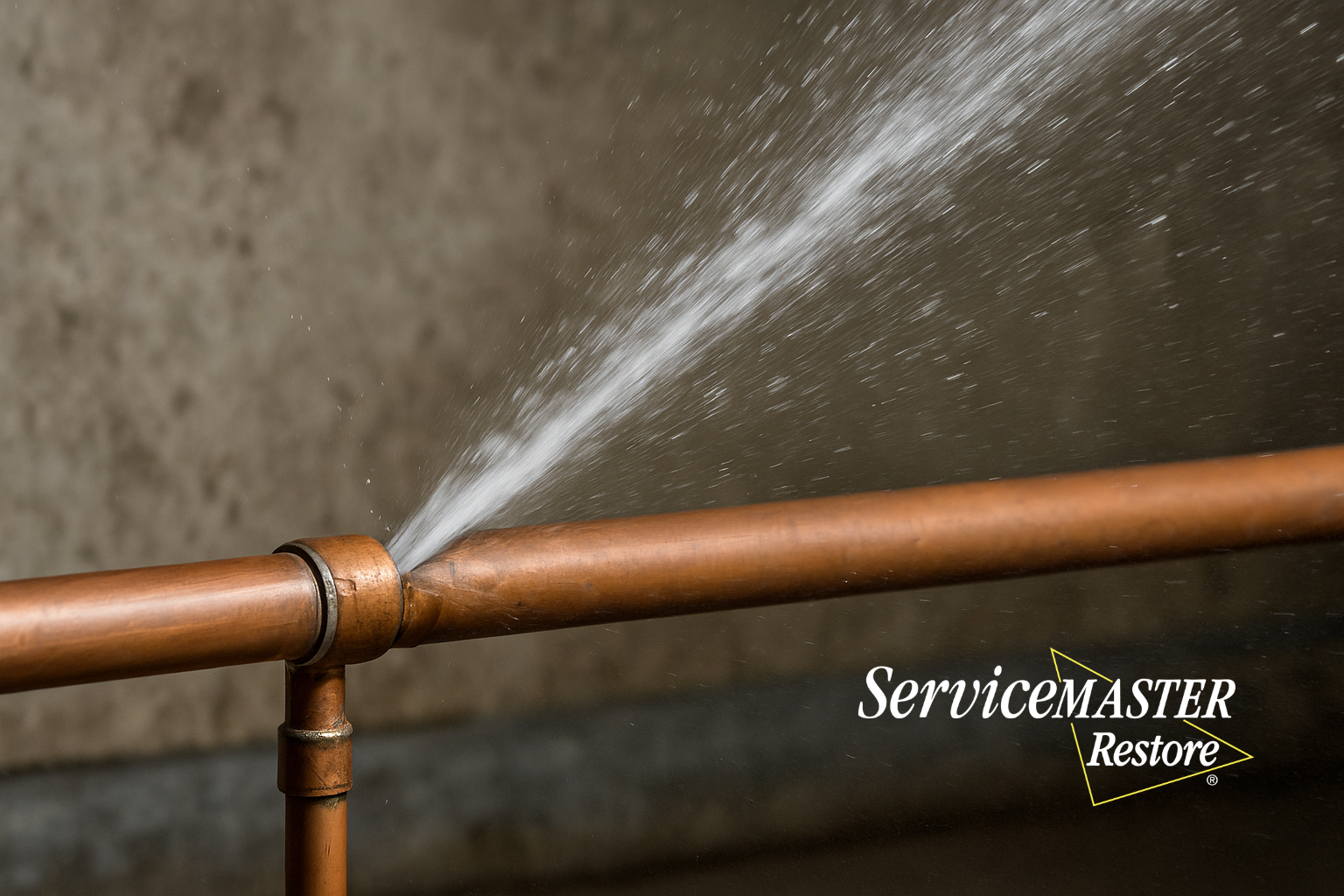
The Mistake Homeowners Make Every Winter
The logic seems reasonable:
“We’re not home, so we don’t need the heat on.
We’ll just keep it warm enough so the pipes don’t freeze.”
Here’s the problem:
Your thermostat setting does not protect your pipes.
Especially when:
- Outdoor temperatures drop below zero
- Wind chills drive cold deep into exterior walls
- Pipes run through basements, crawlspaces, garages, or exterior walls
Your thermostat measures air temperature in a single interior location, not the temperature inside walls, where plumbing is most vulnerable.
Why 50–60 Degrees Often Fails in Sub-Zero Weather
This is where most homeowners are misled.
When a home is vacant:
- Heat circulates unevenly
- Exterior walls cool faster than interior rooms
- Basements lag behind upper floors
- Pipes near sill plates and rim joists drop below freezing first
We regularly see pipes freeze in homes where the thermostat was set “correctly.”
Once water freezes inside a pipe, pressure builds. Many pipes don’t burst immediately — they fail when temperatures rise, which is why homeowners often return to active flooding rather than just a cracked line.
What Happens When a Burst Pipe Knocks Out the Heat
(The Scenario Most Homeowners Never Consider)
This is where a routine frozen pipe turns into a major structural loss.
Here’s a scenario we see every winter:
- A pipe freezes and bursts while the homeowner is away
- Water floods the basement or mechanical area
- The furnace or boiler is soaked or disabled
- The heating system shuts down
Now the house has no heat.
Once that happens, the situation escalates rapidly.
With the heat off:
- Interior temperatures plunge
- Additional pipes begin freezing
- Ice forms inside walls, ceilings, and flooring
- Water spreads before freezing solid
- Structural materials become brittle and stressed
At this stage, the home becomes a frozen icebox.
In many cases, we can’t even begin plumbing or heating repairs yet. The house must first be safely thawed, which can take days under controlled conditions. Only after that can systems be repaired — and only after that can restoration truly begin.
This is why these losses are so severe and so expensive.
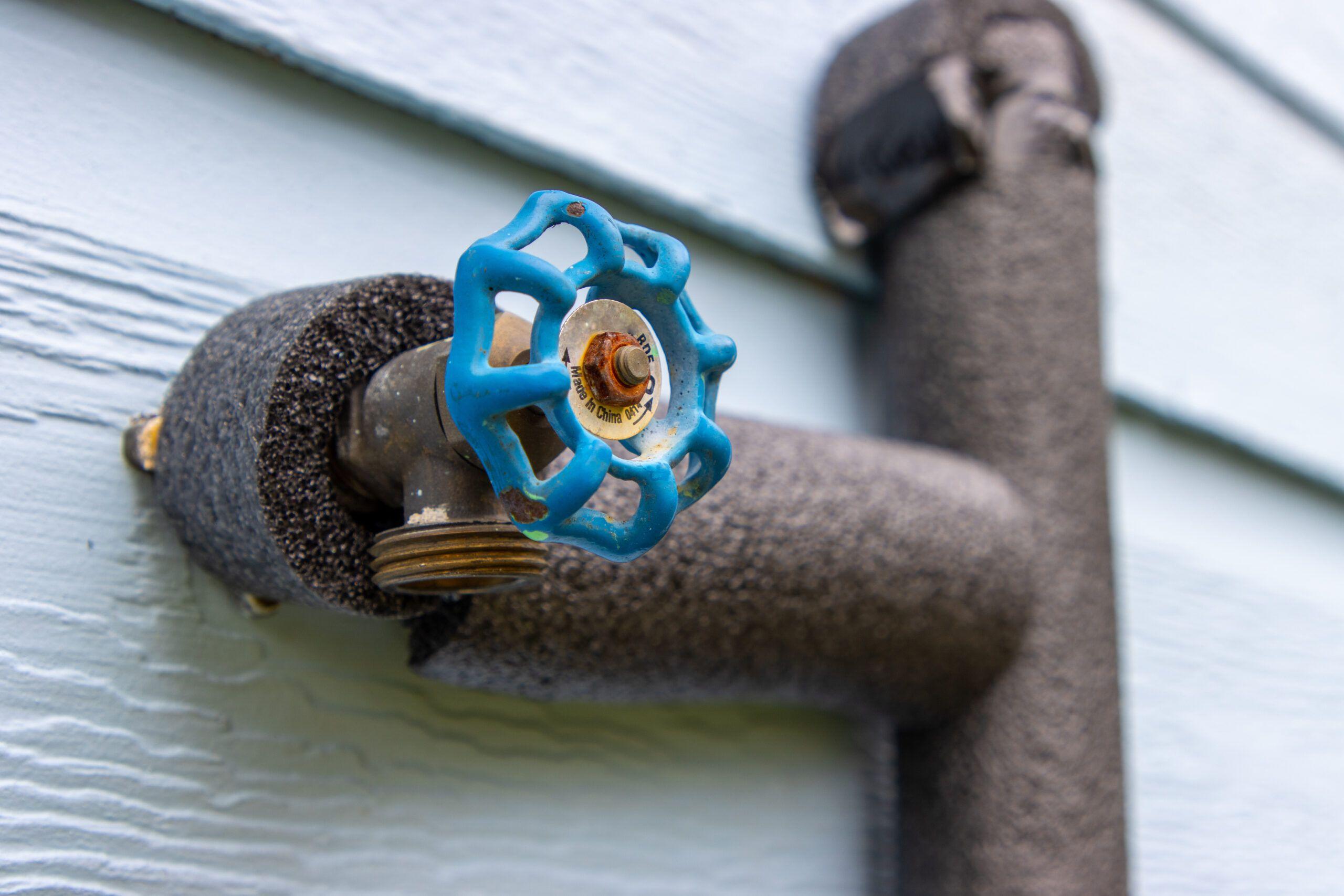
The One Step That Changes Everything: Turning Off the Water
This is the step almost no one thinks about — and it’s the difference between inconvenience and catastrophe.
If the main water supply is shut off before leaving:
- Pipes may still freeze
- Pipes may still crack
- But flooding stops immediately
That means:
- The furnace stays dry
- Heat stays on
- The house never becomes a frozen system failure
- Damage stays limited and manageable
Heat reduces risk.
Turning off the water prevents a disaster.
What We See When This Goes Wrong
These aren’t rare cases. This is routine winter damage:
- Basements with inches of standing water
- Furnaces destroyed by floodwater
- Entire homes frozen solid
- Multiple pipe failures cascading through the structure
- Ceilings are collapsing days later as ice melts
- Mold growth begins shortly after thawing
Most homeowners tell us:
“We were only gone for a few days.”
That’s all it takes.
A Professional Winter Travel Checklist (What Actually Works)
This is what we recommend — and what we follow ourselves.
Before Leaving Your Home in Winter:
- Set thermostat no lower than 60–65°F
- Shut off the main water supply
- Drain exposed or unused plumbing lines
- Open cabinets under sinks on exterior walls
- Confirm basements and garages are heated
- Have someone check the home during extreme cold
Do Not Rely On:
- Thermostat settings alone
- Weather forecasts staying mild
- Space heaters (serious fire risk)
- “It’s never happened before”
Chicago winters are unforgiving.
Expanded FAQ: What Homeowners Ask Us Every Winter
Is 50 degrees enough to prevent frozen pipes?
No. We routinely see pipes freeze in homes set between 50–60°F during sub-zero weather.
Can a burst pipe really disable my furnace?
Yes. Floodwater frequently damages burners, controls, and electrical components, shutting the system down entirely.
Why can’t repairs start right away in frozen homes?
Frozen structures must be safely thawed first. Working on frozen systems can cause additional failures.
Should I shut off the water even for a short trip?
Yes. Pipes don’t care how long you’re gone — only how cold it gets.
Will insurance cover frozen pipe damage?
Often, coverage can be complicated by vacancy, lack of heat, or delayed discovery.
Why This Happens So Often in Chicagoland Homes
Homes across Evanston, Wilmette, Skokie, Glenview, Winnetka, Highland Park, Lake Forest, Deerfield, and surrounding communities often have:
- Older construction
- Exterior-wall plumbing
- Finished basements hiding pipes
- Remodels that altered airflow
These homes are comfortable — but vulnerable when left unattended in extreme cold.
About ServiceMaster Restoration By Simons
ServiceMaster Restoration By Simons has served Chicagoland for 40+ years, backed by ServiceMaster Restore, founded in Chicago in 1929 — the nation’s oldest restoration brand.
Our leadership includes IICRC Master-level-certified professionals, and we’ve handled hundreds of winter pipe failures, including full freeze-ups in which homes had to be thawed before restoration could even begin.
Our Complete Residential Service Line
- Water Damage Restoration
https://servicemaster-restorationbysimons.com/restoration-services/residential/water - Fire & Smoke Damage Restoration
https://servicemaster-restorationbysimons.com/restoration-services/residential/fire - Mold Remediation
https://servicemaster-restorationbysimons.com/restoration-services/residential/mold - Specialty Cleaning & Content Cleaning
https://servicemaster-restorationbysimons.com/restoration-services/residential/specialty - Pack-out, storage, and reconstruction coordination
Want the Full Framework? Read RESTORE
Many of the concepts in this guide are expanded in our book:
RESTORE: A Complete Guide to Protecting Your Home as Your Most Valuable Asset
It explains how small decisions cascade into major losses — and how homeowners can protect themselves before emergencies happen.
Areas We Serve
We proudly serve homeowners throughout:
- Chicago
- North Shore
- Cook County
- Lake County
- DuPage County
Including Evanston, Wilmette, Skokie, Glenview, Winnetka, Highland Park, Lake Forest, Deerfield, Northbrook, and surrounding areas.
The Bottom Line
Turning your thermostat down feels responsible.
But once a pipe bursts and heat is lost, the home becomes a frozen system failure — not just a plumbing issue.
If you remember one thing from this guide, let it be this:
Heat reduces risk.
Turning off the water prevents catastrophe.
Ask before you leave — not after you come home to ice.


Sam Simon
Sam Simon is the Co-Owner and Managing Director of ServiceMaster Restoration By Simons, a certified MBE/WBE disaster restoration and specialty cleaning firm proudly serving Cook, Lake, and DuPage Counties in Illinois. With over 30 years of experience in restoration project management, field operations, and emergency response, Sam plays a vital leadership role in overseeing service execution, technician development, reconstruction, and subcontractor coordination.
He holds the IICRC’s highest technical designation as a Master Fire & Water Restorer, a distinction achieved by fewer than 1% of professionals in the restoration industry. His technical scope includes water and flood damage restoration, fire and smoke recovery, mold remediation, and post-disaster reconstruction across both residential and commercial sectors.
Sam has demonstrated a long-standing commitment to helping communities in crisis. He has participated in large-scale disaster recovery efforts across the U.S., providing boots-on-the-ground leadership during Hurricanes Katrina, Sandy, and Harvey, as well as catastrophic floods, wildfires, and deep freeze events throughout Illinois, Indiana, Iowa, Minnesota, Ohio, Texas, and beyond. His dedication to serving distressed families and businesses in the wake of national catastrophes reflects both his personal values and ServiceMaster’s mission of restoring peace of mind.
In 2019, Sam was selected for the HACIA Contractor Training Program, a competitive six-month construction management cohort offered by the Hispanic American Construction Industry Association. The program delivers intensive instruction in blueprint reading, estimating, project management, and construction law—skills that support the company’s continued growth in emergency build-back and general contracting services.
Before co-founding ServiceMaster Restoration By Simons, Sam built a successful creative career, contributing to notable film and television productions including Chicago Fire (2012), Juvies (2007), and Image Union (1978). His media and videography background continues to shape ServiceMaster’s marketing strategy, digital training resources, and brand storytelling.
→ IMDb Profile
Sam is also the co-author of RESTORE: A Complete Guide to Protecting Your Home As Your Most Valuable Asset—a practical guidebook for homeowners navigating the challenges of water, fire, and mold damage.
Under the direction of partner and CEO Nasutsa Mabwa, and with Sam’s operational leadership, ServiceMaster Restoration By Simons has earned numerous regional and national accolades, including:
- Inc. 5000 - 2025 Fastest Growing Companies in America (recipient)
- 2024 Chicago Star Award
- 2021 SB100 Best of Small Business Award
- 2020 BBB Torch Award for Marketplace Ethics
- Stevie® Award for Business Excellence
- Skokie Business of the Year (Honorable Mention)
- ServiceMaster International Rookie of the Year (2017)
Subscribe
Subscribe now for expert tips, rapid-response insights, and restoration guidance delivered straight to your inbox. Whether you’re recovering from fire, water, or mold damage, stay prepared with advice from the trusted pros at ServiceMaster Restoration by Simons.
Restoration and Recovery Tips
Act Fast — Protect Your Chicago Property Now
When water intrudes into your Chicago home or business, the damage begins immediately. Moisture spreads through flooring, walls, insulation, and electrical systems within minutes, and delays can lead to mold growth, structural deterioration, and costly long-term repairs.
ServiceMaster Restoration By Simons provides rapid, expert water damage restoration throughout Chicago. With 40+ years of local experience and IICRC-Certified technicians on every job, we respond quickly, stabilize the loss, and restore your property with precision and care.
Water damage won’t wait — and neither should you. Contact our Chicago team now for immediate help and a fast on-site assessment.
 (773) 376-1110
 (773) 376-1110


